Kent Woodland Estates Limited
Woodland Management Approach
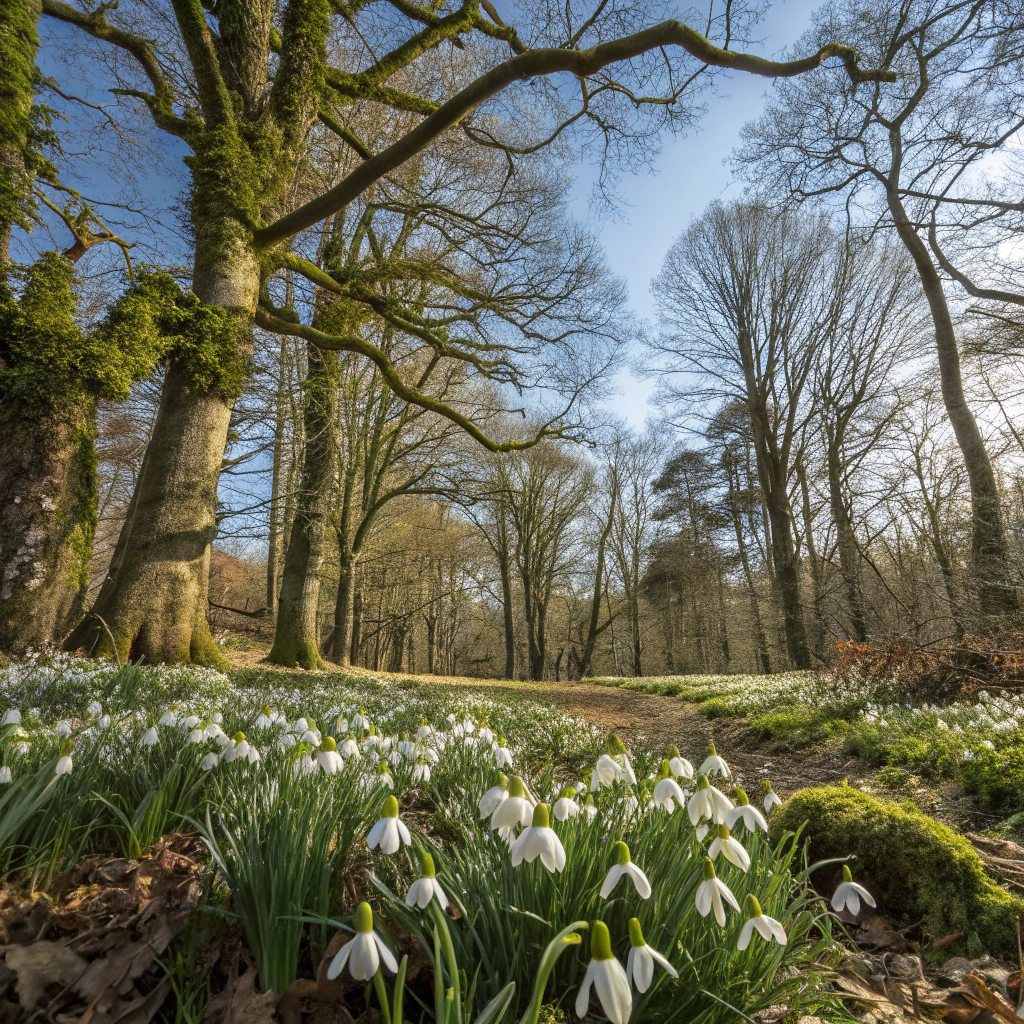
At Kent Woodland Estates Limited, our management of the woodland is guided by three linked aims:
- Sustain and enhance the woodland resource – maintaining a predominantly native character and, where appropriate, creating or allowing the natural development of additional woodland cover on the estate.
- Safeguard existing woodland assets – giving particular care to long-established stands, veteran trees and key structural features so that they remain secure for the long term.
- Repair and improve degraded areas – restoring damaged or simplified stands towards more resilient, diverse and predominantly native woodland.
The common theme across these aims is long-term stewardship. As a private woodland owner, we manage the estate in a way that reflects the responsibilities of ownership, the character of the surrounding landscape and the expectations of those who live and work nearby. We rely on a combination of in-house decision-making, professional forestry and ecological advice, and the work of specialist contractors to deliver our objectives.
Our management is not driven by public access or charitable membership; there is no general public access to the woodland beyond any existing public rights of way. Instead, the focus is on maintaining and improving the condition, structure and resilience of the woodland, in line with good forestry practice and relevant regulatory requirements.
The woods are managed to retain their intrinsic features of value – such as native species composition, structural diversity, rides and edges, watercourses and notable trees – and to sit comfortably within the wider landscape. We intervene where there is clear evidence that doing so will:
- maintain or enhance biodiversity and woodland structure;
- address safety for those who have legitimate reason to be in the woodland (for example employees, contractors or users of public rights of way);
- improve the long-term resilience of the woodland to climate, pests, disease and windthrow.
For each part of the woodland we identify the features that are most important, and then choose management actions that maintain or strengthen those features, provided the work is practical and sustainable. In some locations this may involve thinning, selective felling, coppice work, ride and edge management or the removal of unsafe trees near boundaries or paths used by the public.
Equally, a conscious decision not to intervene can be just as much a management action as regular silvicultural work. Where an increase in deadwood, the development of “old growth” characteristics or the quiet progression of natural processes is judged to be the best way to meet the estate’s objectives, we may deliberately leave areas undisturbed for extended periods.
In this sense, we regard woodland as actively managed whenever there is a clear, considered intention for its future – whether that involves periodic operations or a deliberate choice to allow the stand to develop naturally – rather than only where frequent intervention takes place.
 Kent Woodland Estates Limited